



 +91-85588-96644


Call Support +91-85588-96644



Something interesting has happened in global testing over the last few years. It did not arrive with fanfare or headlines. Instead, it crept in quietly, through a series of small but deliberate redesigns that have collectively changed the entire landscape.
The GRE now finishes in two hours. The GMAT has shed its essay and rebuilt its structure. The SAT has reinvented itself as a fully digital, adaptive experience. TOEFL has tightened its format and will introduce a more interactive model in 2026. PTE completes in two hours and supports online testing. IELTS allows a single skill retake. The Duolingo English Test has turned its score report into a detailed diagnostic map.
Individually, each change seems manageable. Together, they represent the biggest shift in global testing in more than a generation. These exams no longer behave like fixed, once-in-a-decade academic events. They behave like evolving digital platforms that refine themselves regularly to stay relevant, secure and efficient.
A Quiet Overhaul
What makes this transformation striking is not only the scale of change but also the pace. For decades, these exams were predictable and stable. Patterns held. Formats moved slowly. Test prep could plan years ahead.
That world is gone.
The GRE did not simply migrate a few questions. It removed entire blocks of content and compressed its duration dramatically. The GMAT did not revise a section. It redesigned the entire architecture of the exam, introducing review features and emphasising decision making over long passages. The SAT did not modernise lightly. It abandoned paper entirely and shifted to an adaptive model where the second module depends on performance in the first.
The language-testing space has moved just as decisively. TOEFL trimmed reading, rethought writing and is preparing a more streamlined 2026 edition. PTE adopted a two-hour model that works seamlessly in remote environments. IELTS introduced a retake policy that gives students more flexibility than ever before. DET has evolved from a quick English test into an assessment whose subscores reveal patterns even coaches struggle to decode.
Across all of them, the trend is unmistakable. Exams are becoming shorter, more adaptive, more digital and far more analytical in how they interpret performance.
Why the Official Story Fell Short
The public explanations for these redesigns sounded familiar. Reduced stress. Better experience. Modern content. Faster results.
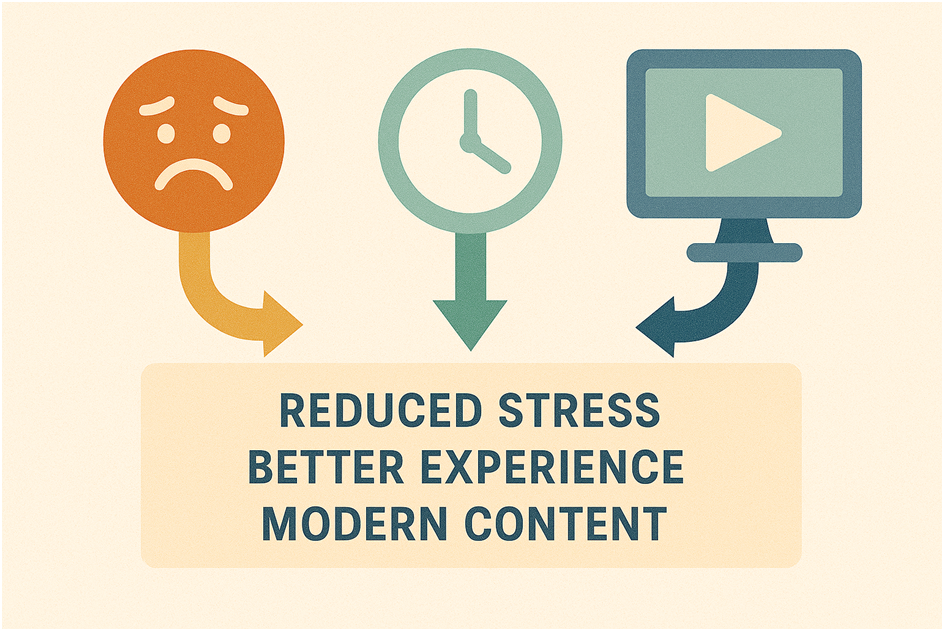
These reasons are true, but they are incomplete. They explain why students might appreciate the updates. They do not explain why testing organisations had no choice but to make them.
To understand the real logic, you have to step into the world in which these exams now operate.
The Real Forces Behind the Redesign
The first force is competition. The arrival of a one-hour, at-home, low-friction test like DET changed expectations worldwide. Universities now accept a wider range of exams. A long, rigid format was no longer a strength. It was a threat.
The second force is economics. Three-hour exams are expensive to design, maintain and administer. They require large item banks and extensive scoring. Shorter tests cost less to run and allow more sittings in a day, which matters deeply in a world with both physical centres and remote-proctored environments.
Security is the next driver. With rising attempts to exploit question leaks and predictable patterns, adaptive formats became an elegant defence. When the exam branches based on a student's responses, the very idea of a "fixed paper" disappears. Security becomes woven into the format itself.
Covid accelerated the transformation. Once remote proctoring became a global necessity, long exams became a liability. Shorter, cleaner formats produced fewer technical issues and smoother test experiences. At-home testing created expectations that did not exist before.
And then there is the behaviour of students themselves. Modern learners handle information in short, structured bursts. They live with digital interfaces, quick feedback loops and modular tasks. A tightly engineered two-hour exam feels native to them. The old four-hour paper does not.
When you combine these forces, the redesign of global exams becomes inevitable rather than optional.
Where Exams Are Heading
Once you recognise that these tests now operate like digital products, the future becomes clearer. Exams will not return to long, inflexible formats. They will continue to introduce incremental updates rather than dramatic overhauls.
Adaptivity will deepen.
Reporting will become more granular, not less.
Automated scoring will expand, especially in speaking and writing.
And test experiences will keep aligning with the digital habits of modern learners.
The surface will stay simple. The underlying measurement logic will become more sophisticated.
What This Means for Coaching Centres
This new exam ecosystem demands a new model of prep. The old approach of "finish the syllabus and do enough practice" does not align with the new testing philosophy.
Shorter tests amplify the importance of early stability. A shaky first ten minutes on an adaptive SAT or GRE can limit the score a student can reach, regardless of how well they perform later. Precision matters more than volume. Execution matters more than coverage.
Score reports are richer but harder to interpret. A student may receive eight different subscores, timing diagnostics and module-level breakdowns. Without expert interpretation, these numbers remain noise. The institute that can convert them into simple, targeted action plans becomes indispensable.
Test literacy has become a skill of its own. Students must learn how to navigate interfaces, manage digital tools, handle review options and stay composed when difficulty shifts. Many coaching centres still treat these as afterthoughts. In modern testing, they influence performance directly.
And perhaps the biggest shift of all: practice material is no longer the differentiator. Everyone has questions. Few have a clear framework for reducing unnecessary errors, stabilising performance curves and designing routines that match the rhythm and structure of each new exam.
That is the real craft of coaching today.
The Simple Truth
The exams have already transformed. They will continue to evolve in cycles that resemble technology releases more than academic policy changes. In this environment, coaching cannot remain static. It needs to be sharper, more strategic and more aligned with how tests now behave.
The gap between modern exams and traditional prep methods widens quietly, year after year.
The institutes that thrive will be the ones that recognise this shift early and rebuild their approach around the new reality.
The rules of testing have changed.
The rules of coaching must change with them.


